

SpaceX achieved a breakthrough on Tuesday with the launch of its towering Starship rocket, marking its first successful deployment of test satellites after a string of fiery setbacks earlier this year.
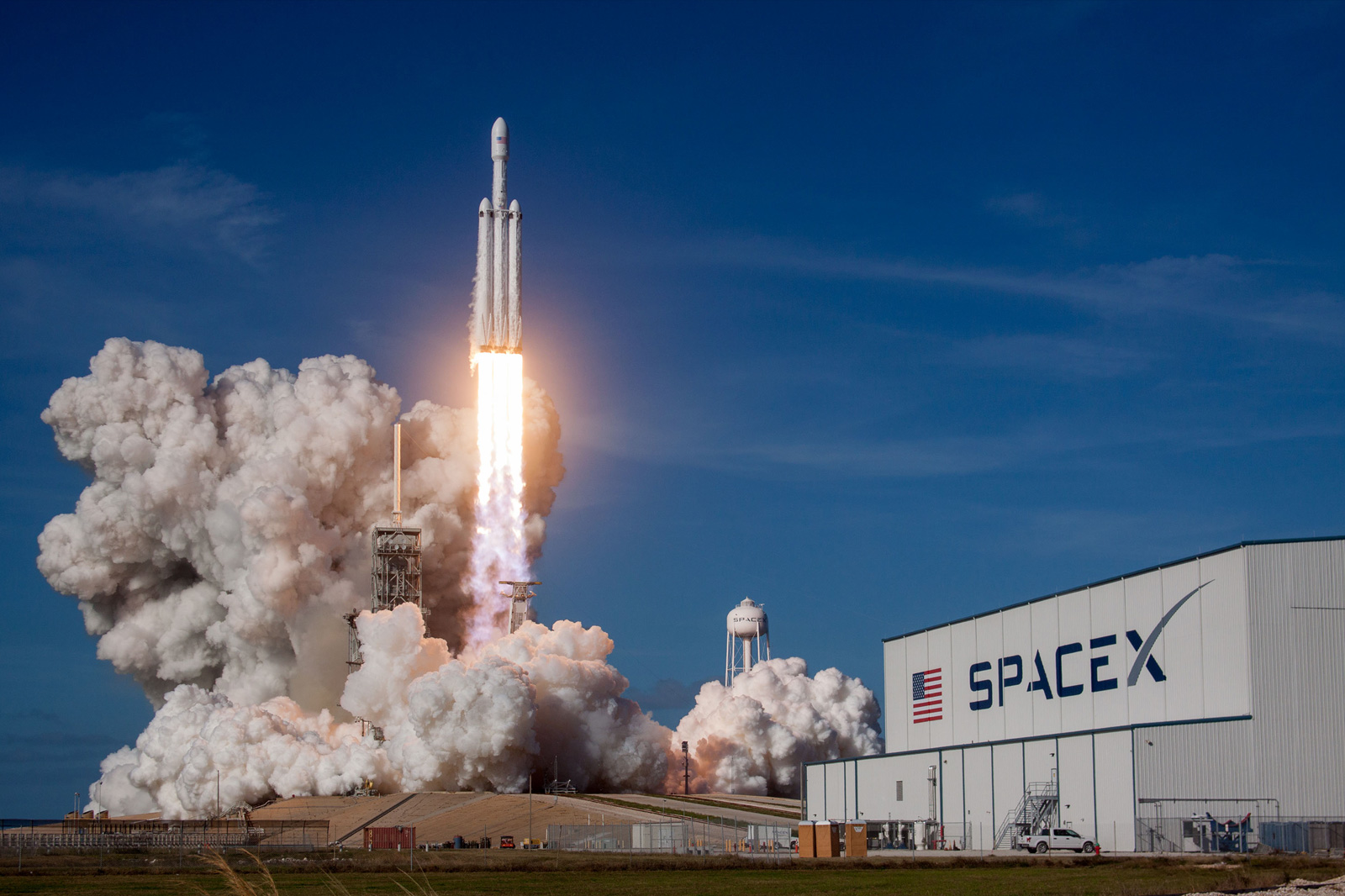
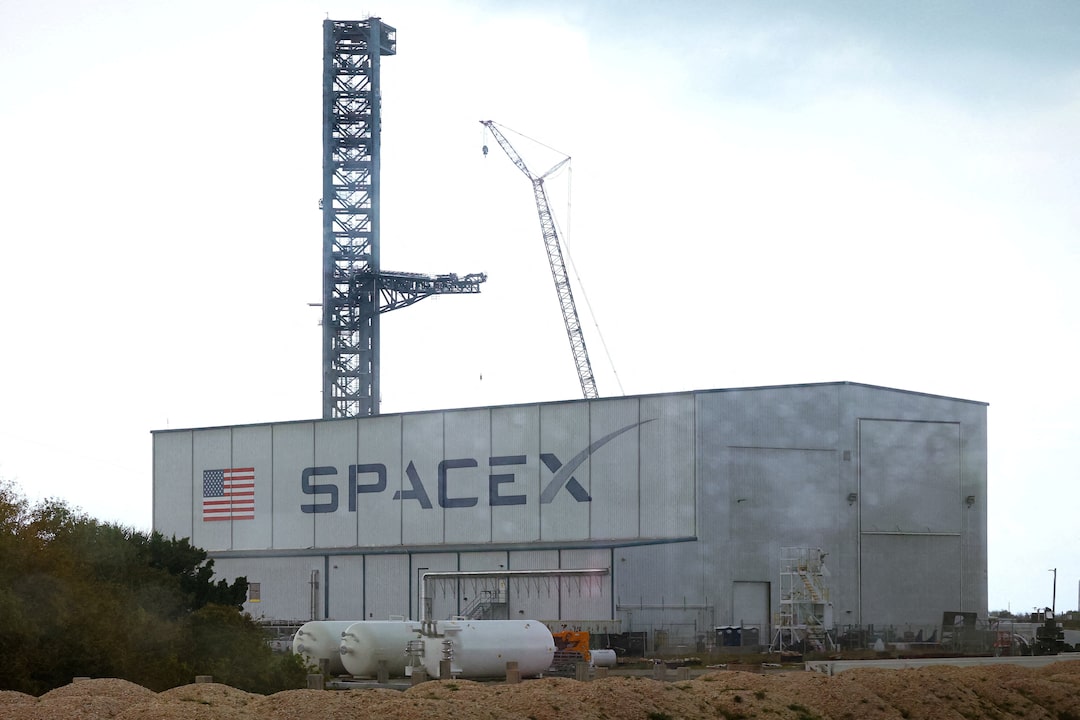
The more-than 400-foot rocket lifted off at 6:30 p.m. local time from the company’s Starbase facility in Texas, United States, completing a tense one-hour test flight.
The mission saw the spacecraft deploy eight mock Starlink satellites, relight its Raptor engine in orbit, and put its heat shield through rigorous trials.
The latter marks a critical step toward CEO Elon Musk’s goal of developing reusable heat shields — a technology that could significantly cut launch costs.
After stage separation, the rocket’s reusable Super Heavy booster executed a controlled splashdown in the Gulf of Mexico, while the Starship itself splashed down in the Indian Ocean after completing its run.
The successful test follows two days of delays and comes after a series of explosive failures earlier this year, providing a much-needed boost for SpaceX as it works to cement its commercial dominance and support NASA’s lunar mission plans.
Interim NASA chief Sean Duffy hailed the achievement on social media, saying, “Flight 10′s success paves the way for the Starship Human Landing System that will bring American astronauts back to the Moon on Artemis III. This is a great day for @NASA and our commercial space partners.”