


Nigeria has maintained its position as the third-largest debtor to the World Bank’s International Development Association, with outstanding loans totaling $18.2 billion as of June 30, 2025.
This represents a 10.3 per cent increase from $16.5bn in June 2024, according to the IDA’s latest financial statements.
Nigeria first climbed to third place in 2024, up from fourth in 2023, and has now held the position for a second consecutive year. The IDA, the World Bank’s concessional arm, provides low-interest and interest-free loans with long repayment periods to poorer nations.
The PUNCH reported that Nigeria secured at least $2.2bn in fresh IDA loans between July 2023 and June 2024, bringing total disbursements to $3.9bn in two years under President Bola Tinubu’s administration.
These figures exclude borrowings from the International Bank for Reconstruction and Development, the World Bank’s non-concessional window.
Globally, Bangladesh remains the largest IDA borrower with $22.6bn in obligations, followed by Pakistan at $19.3bn. Nigeria ranks third, ahead of India, whose exposure fell to $14.2bn due to higher repayments, and Ethiopia with $14bn.
Data from Nigeria’s Debt Management Office shows that the country’s total debt to the World Bank reached $18.23bn by March 2025, accounting for about 39.7 per cent of external debt stock. Of this, $16.99bn was owed to the IDA, while $1.24bn came from the IBRD.
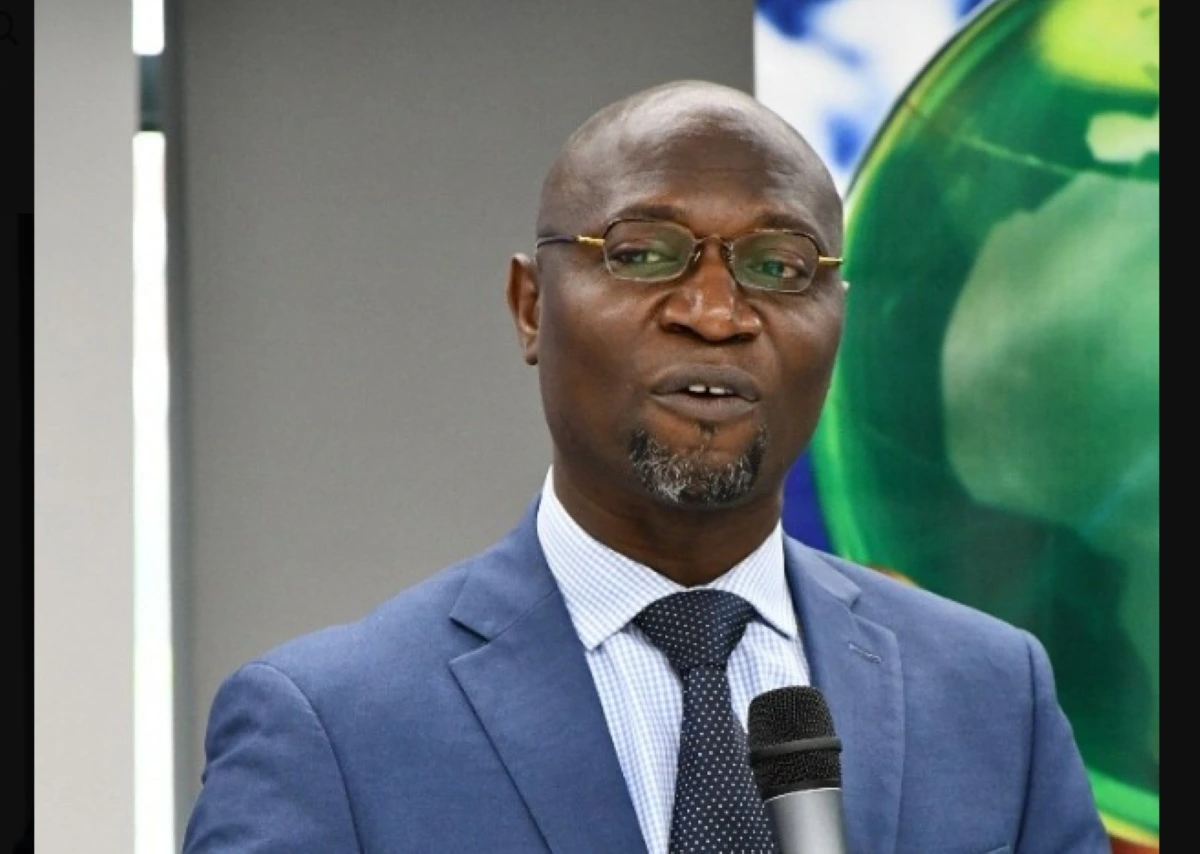
Economists warn that while IDA loans provide cheaper financing, Nigeria’s rising reliance on them raises questions of sustainability. Dr. Muda Yusuf, CEO of the Centre for the Promotion of Private Enterprise, said debt must be tied to projects that boost revenue and growth. He cautioned that excessive foreign borrowing could worsen exchange rate risks and strain reserves if not managed prudently.


