

The Federal Government, through the Nigerian National Petroleum Company Limited, is implementing aggressive measures to save the oil and gas sector between $3 billion and $4.5 billion in operational costs this year.
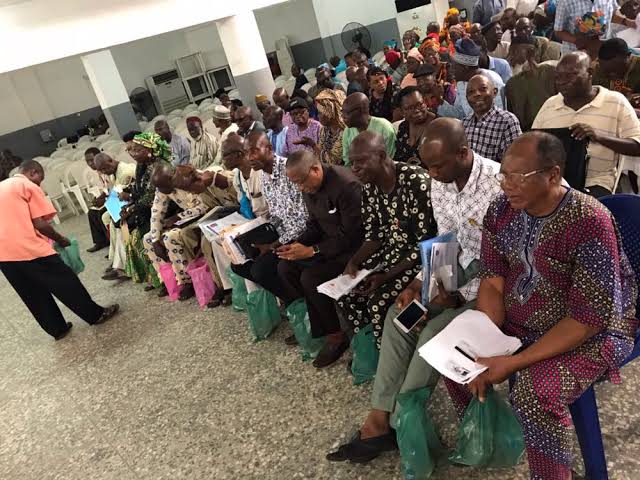
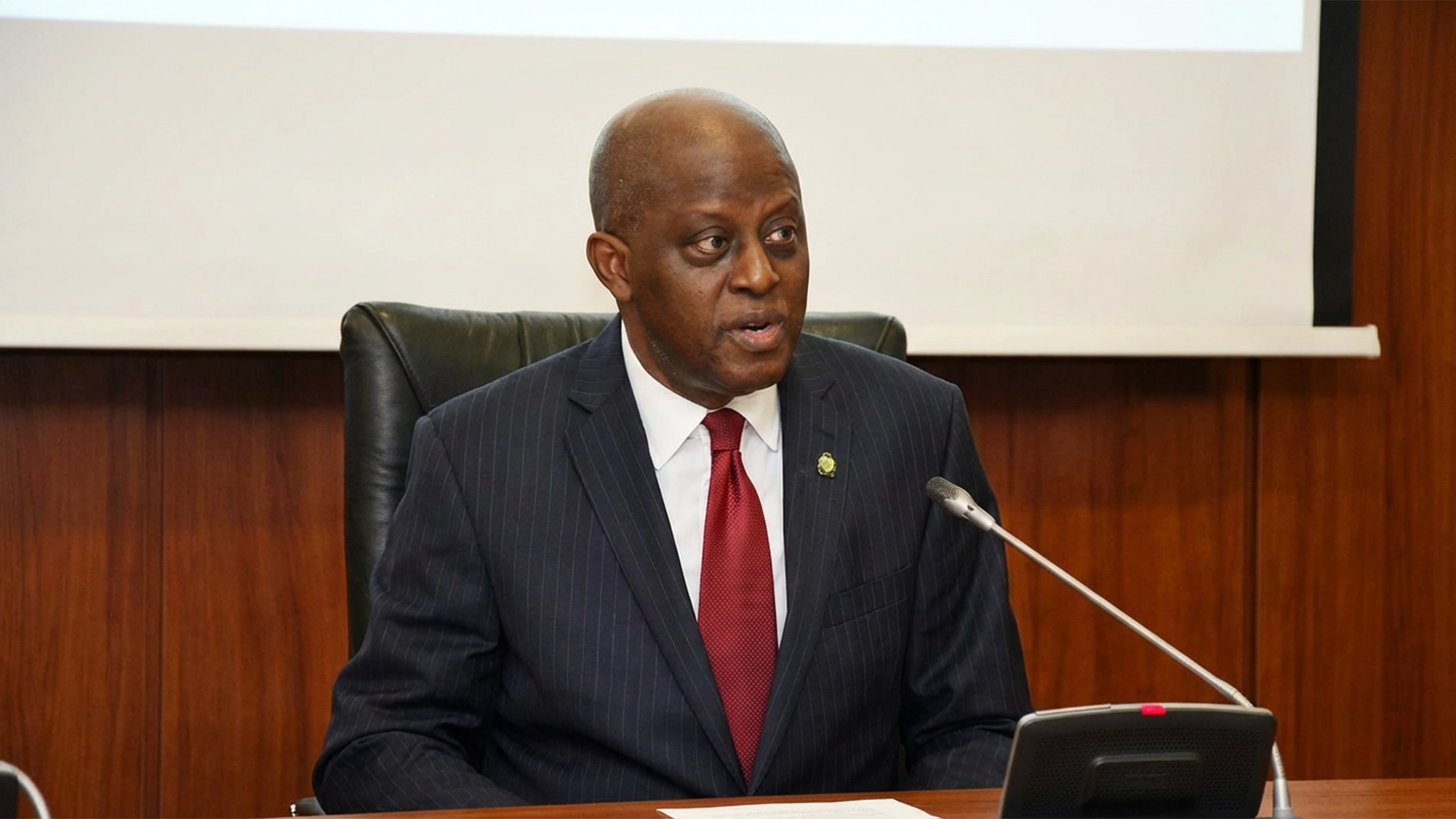
This was disclosed by NNPCL Group Chief Executive Officer, Bayo Ojulari, during a keynote address at the Nigerian Association of Petroleum Explorationists’ 50th anniversary celebration in Lagos on Thursday.
Represented by the company’s Executive Vice-President, Upstream, Udobong Ntia, Ojulari revealed that NNPCL has already developed a roadmap that could raise the cost-saving target to $4.5 billion by December 2025.
He emphasized that this cost-optimization initiative forms part of a broader national strategy aimed at attracting $30 billion in new industry investments over the next two years, and $60 billion by 2030, in line with a presidential directive.
“We’re taking another look at optimising our costs; we’re driving costs down. In the past three to six months, we have put up a roadmap to save about $3bn, which happens by the end of December, and we’re set to up that to about $4.5bn off our normal costs. We want to drive down our cost per barrel, per unit operating cost, and per unit technical cost. Let’s do the best we can to do more with less. I don’t think it’s impossible,” Ojulari said.
Ojulari revealed that crude oil production has steadily increased this year, climbing from approximately 1.4 million barrels per day at the end of 2023 to over 1.8 million barrels per day by July 2025—a gain of 400,000 barrels in just seven months. He attributed this growth to industry-wide collaboration and significant infrastructure upgrades, including achieving full operational availability of the Trans-Niger Pipeline for the first time in years.
“When we closed the year in December, I’d say we were at about 1.4 million barrels. By the end of June, we had rounded up the month with about 1.69 million barrels. And in the mid part of July, and towards the end of July as well, it was over 1.8 million barrels. That’s about 400,000 barrels of growth in just about six to seven months. Bonga North is coming with 150,000 barrels a day in production. The players in this room have increased production by 400,000 barrels. This is a lot of investment,” he stated.
Ojulari highlighted the aging state of Nigeria’s oil and gas infrastructure, calling for a deliberate programme of facility renewal and a stronger maintenance culture.
“From an infrastructure standpoint, most of our infrastructure in the industry is all getting aged. I don’t like to say that, but I was told by my team, ‘We need to eradicate that old-aged infrastructure.’
“And how do we eradicate it? By making them new again. Facility renewal and maintenance opportunities are going on here and there. And as you bring up the opportunities, you are maintaining them. We don’t have a good maintenance culture in this part. We’re going to have to drive that with sustainable strategies around that. So we don’t go around with aged infrastructure and aged facilities,” he noted.
He also advocated for greater adoption of advanced technologies, including artificial intelligence and real-time monitoring tools, to optimise production and minimise downtime. “I want to see more AI in the industry. There’s a lot of potential as I observe operations across upstream companies,” he said.