





The Centre for the Study of the Economies of Africa, an Abuja-based nonprofit research think tank founded by former World Bank Managing Director and current WTO Director General, Dr. Ngozi Okonjo-Iweala, on Wednesday unveiled its latest findings on the use of Artificial Intelligence across key sectors of the Nigerian economy.
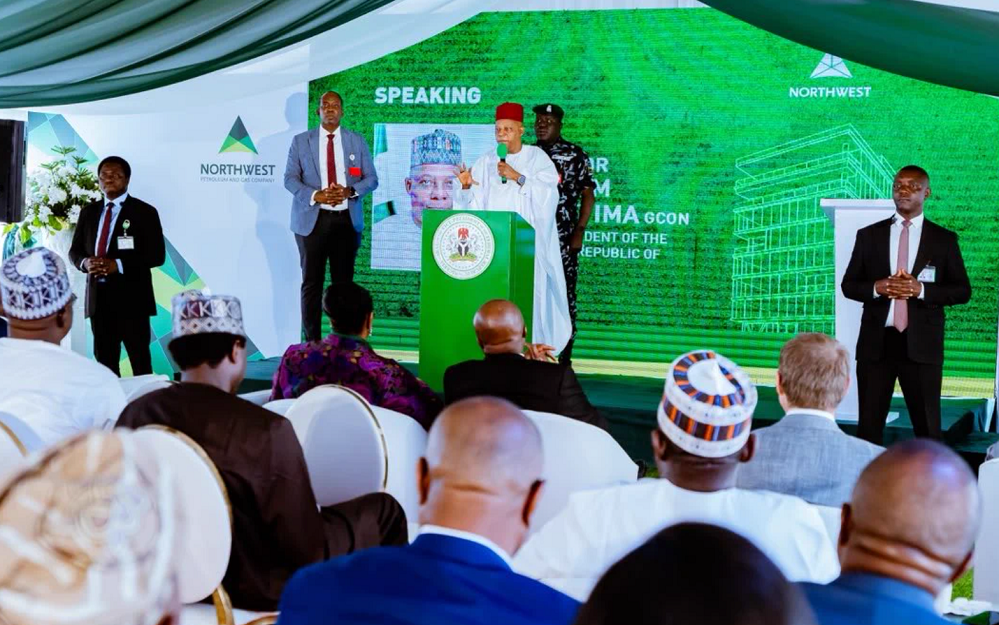
Speaking at the event in Abuja, the organisation noted that while Nigeria’s AI market is projected to hit $434.4 million by 2026, adoption remains uneven across industries.
Tagged “Artificial Intelligence Usage in Nigeria: Evidence from Digitally-enabled Firms”, the event was opened by CSEA Executive Director, Dr. Chukwuka Onyekwena, who noted that the findings stemmed from rigorous research and analysis conducted at a time when AI is reshaping global standards of productivity and competitiveness.
The Executive Director noted that the study was motivated by a desire to contribute meaningfully to the growing body of knowledge aimed at helping Nigeria harness the potential of artificial intelligence while managing its risks responsibly.
Speaking at the event—which brought together government representatives, policymakers, industry leaders, AI developers, academics, civil society groups, and young professionals—Dr. Onyekwena emphasized that AI holds immense promise for driving innovation, boosting productivity, and transforming business models.
“It has the potential to unlock new frontiers in healthcare, agriculture, manufacturing, financial services, education, and technology. It can empower firms to make smarter decisions, optimise operations, and reach new markets,” he said.
Onyekwena stressed that technology alone cannot drive development; it must be supported by sound policies, robust infrastructure, ethical safeguards, and, most importantly, a people-centred approach that ensures no one is left behind.
“In his presentation, CSEA Research Associate, Anthony Okon, noted that AI has made significant impacts across sectors globally—helping firms reduce costs, improve efficiency and service delivery, and reach underserved markets.
He observed that while the Nigerian government is positioning AI as a driver of innovation and growth through policies like the Nigerian Artificial Intelligence Policy, the Global South is projected to capture only a small share of the global economic gains from AI.
This, he warned, underscores the urgency for Nigeria to act decisively or risk falling further behind.
“Nigeria’s Al market is set to reach $434.4 million by 2026, but adoption remains concentrated. Al is transforming industries and setting new standards for competitiveness and innovation. This insight is essential to help Nigeria position its businesses to adapt and thrive in the evolving digital landscape,” he stated.
Discussing the rationale for the study, Okon noted that despite growing interest in AI, there is limited local data on how Nigerian businesses are adopting these technologies. He explained that the study addresses this gap by providing evidence on current trends, challenges, and opportunities—offering insights to support more informed decision-making.
He explained that these insights are crucial for helping Nigerian businesses adapt and thrive in an evolving digital landscape, while also generating evidence to guide inclusive AI policy development in the country.
“By understanding how businesses use Al, the challenges they face, and the gaps in data governance will inform evidence-based policies that drive inclusive development,” he noted.
Focusing on the Agriculture, Industry, and Services sectors, the CSEA official noted that the firms studied under agriculture included both core farming enterprises and those providing agricultural support services.


