

Petroleum marketers in Nigeria are anticipating a potential reduction in Premium Motor Spirit prices following a recent decline in global crude oil prices, according to the Petroleum Products Retail Outlet Owners Association of Nigeria.
The association indicated that a new pricing structure could take effect as early as Monday, reflecting the lower cost of crude oil.
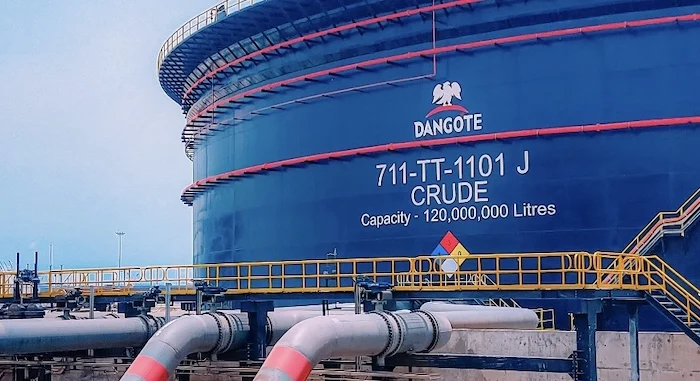
Despite the drop in crude oil prices, major fuel marketers, including Dangote Petroleum Refinery and the Nigerian National Petroleum Company Limited, have maintained petrol prices above N900 per litre.
This follows a price hike less than two weeks ago, when pump prices rose to between N915 and N955 per litre—up from below N900—due to a surge in crude oil prices triggered by escalating tensions between Israel and Iran.
In northern Nigeria, prices reportedly reached as high as N960 to N980 per litre due to transportation costs.
Global crude oil prices have since fallen, with Brent crude trading at approximately $67 per barrel and West Texas Intermediate at $65 per barrel as of Sunday, down from $77 and $73, respectively, the previous week, according to Oilprice.com.
The decline follows de-escalation in the Middle East conflict, easing concerns over supply disruptions.
However, fuel producers and importers in Nigeria have yet to adjust pump prices to reflect the lower crude oil costs.
PETROAN’s National Publicity Secretary, Joseph Obele, said that the industry expects a revised pricing regime to align with the current market dynamics.
Obele stated that Dangote refinery, NNPC and depot owners could lower their prices this week.
“We anticipate there will be a new price regime from tomorrow. The new prices will come from everyone; from Dangote, NNPC and the rest. Let us wait till tomorrow, but there will be a new price regime,” Obele said
The development has sparked discussions among stakeholders, as consumers await potential relief at the pumps amid ongoing economic pressures.