






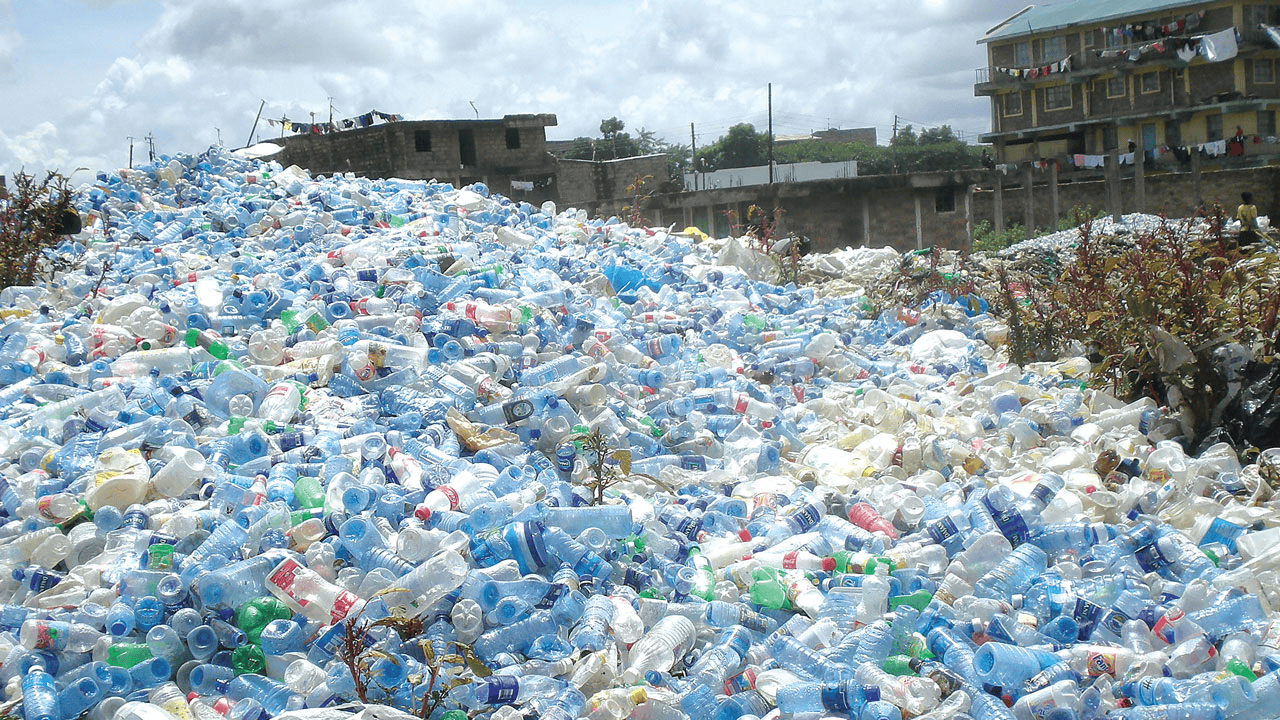
The Federal Government has raised alarm over the global plastic pollution crisis, revealing that approximately 14 million tonnes of plastic waste clog the world’s oceans each year, posing a severe threat to Nigeria’s marine ecosystems and biodiversity.
Speaking at a stakeholder training workshop on the Extended Producer Responsibility programme in Abuja, Minister of Environment Balarabe Lawal highlighted the urgent need to address this environmental challenge.
The event, organized by the National Environmental Standards and Regulations Enforcement Agency in partnership with the PROTEGO Project – The Prevention of Marine Litter in the Gulf of Guinea, aimed to foster collaborative solutions to marine pollution.
Represented by the Director-General of the National Agency for the Great Green Wall, Saleh Abubakar, the Minister emphasized that the workshop reflects Nigeria’s commitment to a cleaner, healthier, and more sustainable future.
“The PROTEGO project, which was inaugurated in July 2024 and will span to June 2027, will be a driving force in reducing plastic waste leakage into our precious oceans in Nigeria and Ghana.
“This would foster circular economy strategies, enhance waste management and build critical capacities.
“The urgency of our mission cannot be overstated, given Nigeria’s vulnerability as a country with over 850 kilometres of Atlantic coastline. Annually, approximately 14 million tonnes of plastic choke the world’s oceans, threatening our biodiversity, impacting our vital marine ecosystems, and diminishing the beauty of our coastlines.
“This is a global challenge, but its solutions must be rooted locally, driven by innovation, and powered by unwavering commitment and collaboration by all stakeholders.”
He emphasized that Extended Producer Responsibility (EPR) goes beyond environmental policy—it represents a transformative shift that holds producers accountable for their products throughout their entire lifecycle.
“This is from design and manufacturing to consumption and, crucially, to post-consumer collection and recycling or end-of-life management. This mechanism is one of the cornerstones upon which a truly circular economy can be built,” he said.
The minister affirmed that Nigeria had shown strong foresight and leadership in adopting Extended Producer Responsibility.
“Our journey began with the foundational NESREA Act of 2007, which empowered NESREA as an agency of the Federal Government to enforce environmental standards, using appropriate measures, including the EPR principles. Indeed, we are on the verge of a major transformation,” he added.
In his remarks, the Director-General of NESREA, Prof. Innocent Barikor, described the workshop as both timely and strategic.
He explained that the training aimed to enhance stakeholders’ collective understanding of Extended Producer Responsibility (EPR) systems and provide them with practical tools to design, improve, and implement EPR programmes effectively. Barikor added that NESREA acknowledged marine pollution and plastic waste as urgent challenges threatening Nigeria’s ecosystems, public health, and long-term economic sustainability.
“EPR has emerged globally as a proven and proactive policy instrument to address such challenges. It places the responsibility of post-consumer waste squarely where it belongs, on the producers.
“This model incentivises sustainable product design, fosters accountability, and ultimately reduces the burden on public waste management systems,” he said.

