






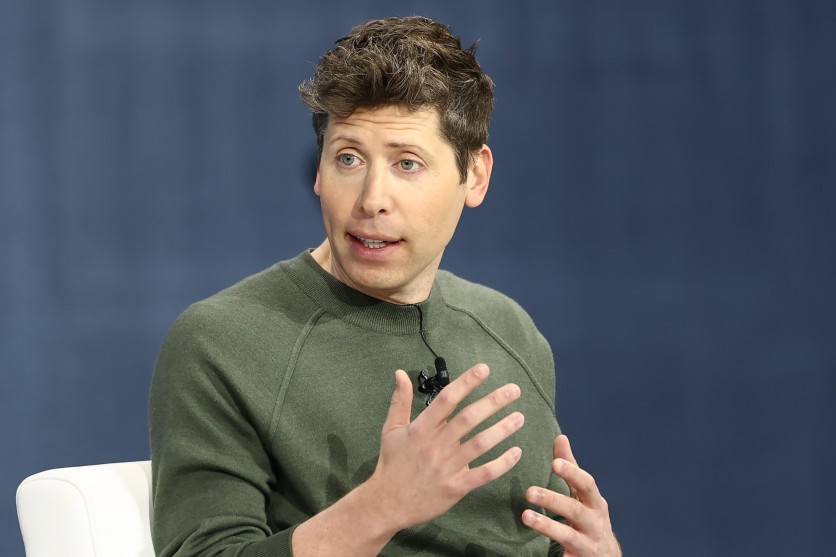
India now has about 100 million weekly active ChatGPT users, placing it among OpenAI’s biggest markets worldwide, CEO Sam Altman said ahead of a government-backed AI summit.
On Sunday, Altman highlighted ChatGPT’s rapid adoption in India in an article published by The Times of India, as OpenAI prepares to formally take part in the five-day India AI Impact Summit in New Delhi starting Monday.
Altman will attend alongside senior executives from several of the world’s leading AI companies.
In the article, Altman said India is ChatGPT’s second-largest user base after the United States, underscoring the country’s rising importance in OpenAI’s global strategy.
This comes as the platform’s worldwide usage continues to climb, with weekly active users reaching about 800 million by October 2025 and reportedly nearing 900 million.
Altman also pointed to the growing influence of students in accelerating adoption, noting that India now has the largest number of ChatGPT users among students worldwide.
More broadly, Indian students have emerged as a key growth demographic for leading AI companies, as competitors race to embed their tools into classrooms and learning workflows.
“With its focus on access, practical Al literacy, and the infrastructure that supports widespread adoption, India is well positioned to broaden who benefits from the technology and to help shape how democratic AI is adopted at scale,” Altman wrote.
Beyond user numbers, ChatGPT’s rapid adoption in India underscores a critical challenge for AI companies: converting widespread usage into lasting economic value.
However, Indian government initiatives like the IndiaAI Mission—a national program to boost computing capacity, support startups, and accelerate AI adoption in public services, are designed to tackle these challenges.
The country’s price-sensitive market and infrastructure limitations make monetization and large-scale deployment far more complex than in developed economies.
“Given India’s size, it also risks forfeiting a vital opportunity to advance democratic AI in emerging markets around the world,” Altman added.
However, he warned of the risk that unequal access and adoption could concentrate AI’s economic benefits in the hands of a few